
Residential pricing
$1.20$0.13
Most scraping APIs were built for predictable scheduled jobs. AI agents created burst traffic, recursive crawling, and unstable billing models built on credits and multipliers
 USA, Germany, France, etc.
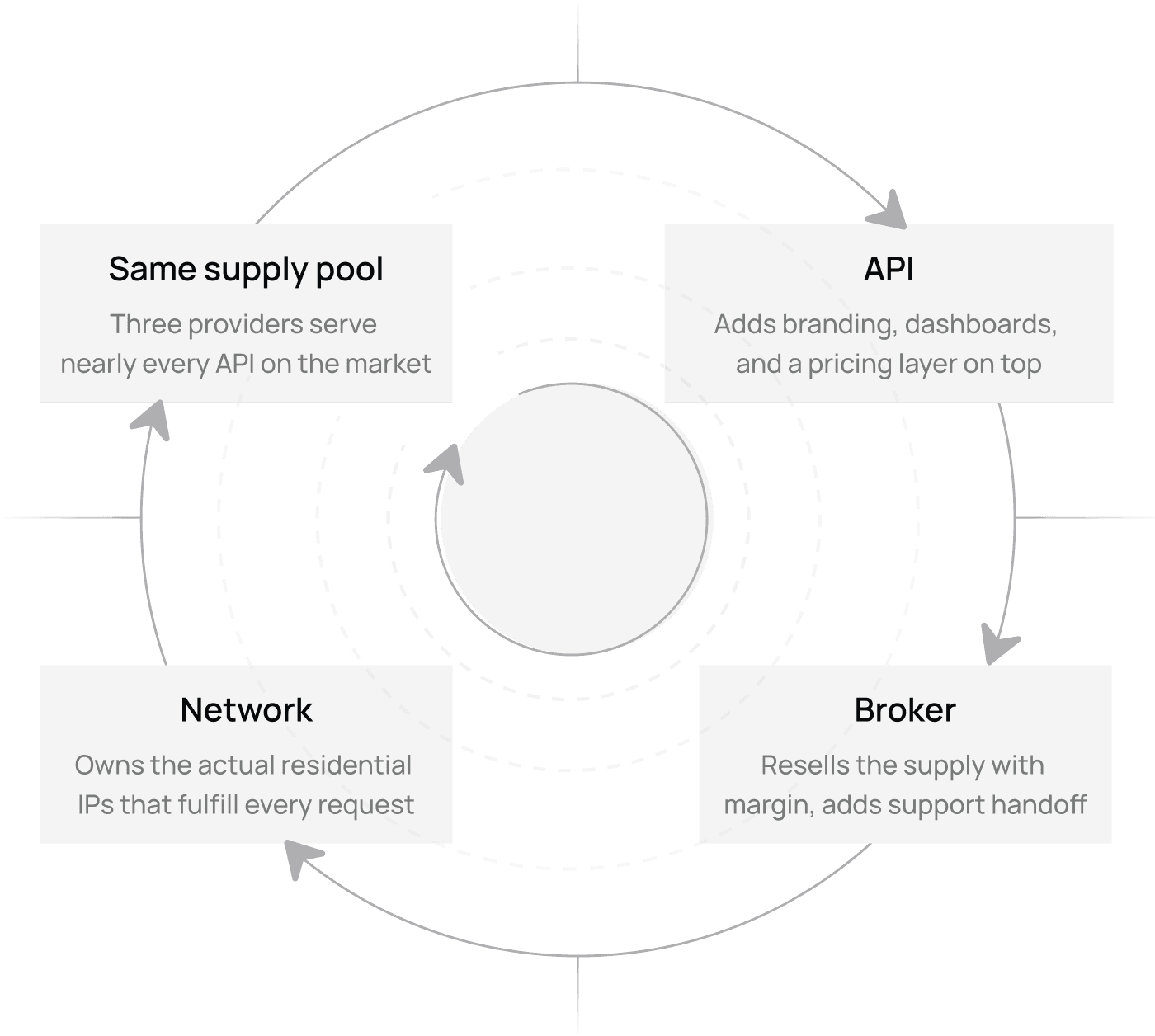
Most APIs rented infrastructure
from the same upstream providers
Most APIs rented infrastructure from the same upstream providers
The difference between products mostly came down to:
The underlying supply chain stayed the same
Upstream market structure
Credits were originally introduced
to simplify pricingCredits were originally introduced to simplify pricing
What starts as a simple request can quickly become several layers of additional cost.
A rendered page costs more than a standard page. Stealth mode increases the multiplier again. Captcha solving adds another pricing layer on top.
As workloads became more complex — especially with recursive crawling and AI agents — the relationship between requests and actual cost became harder to predict.
The harder the workload became, the less predictable the bill became.
Credit multiplier examples
| Workload | Multiplier | Effective cost |
|---|---|---|
| Standard page | 1× | $0.13 / 1k |
| Rendered page | 3× | $0.13 / 1k |
| Stealth mode | 5× | $0.13 / 1k |
| Captcha solving | 10× | $0.13 / 1k |
| Recursive crawl | ∞ | Unpredictable |
Same agent. Same 30 days. Same ~1M requests. Credit-based bill volatility comes from retry loops, stealth-mode toggles, and deep-crawl multipliers the agent decides at runtime. Geonode charges per request, flat.
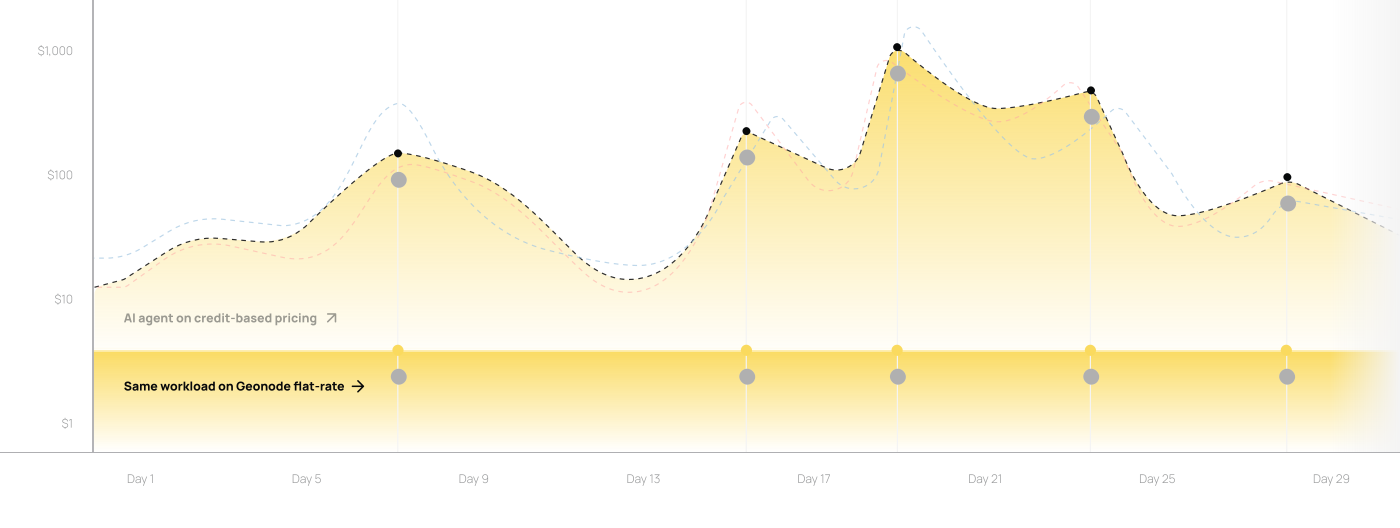
Most scraping APIs run on rented supply with credit-based pricing. That's why your bill is unpredictable. We chose the opposite path – and the math compounds.
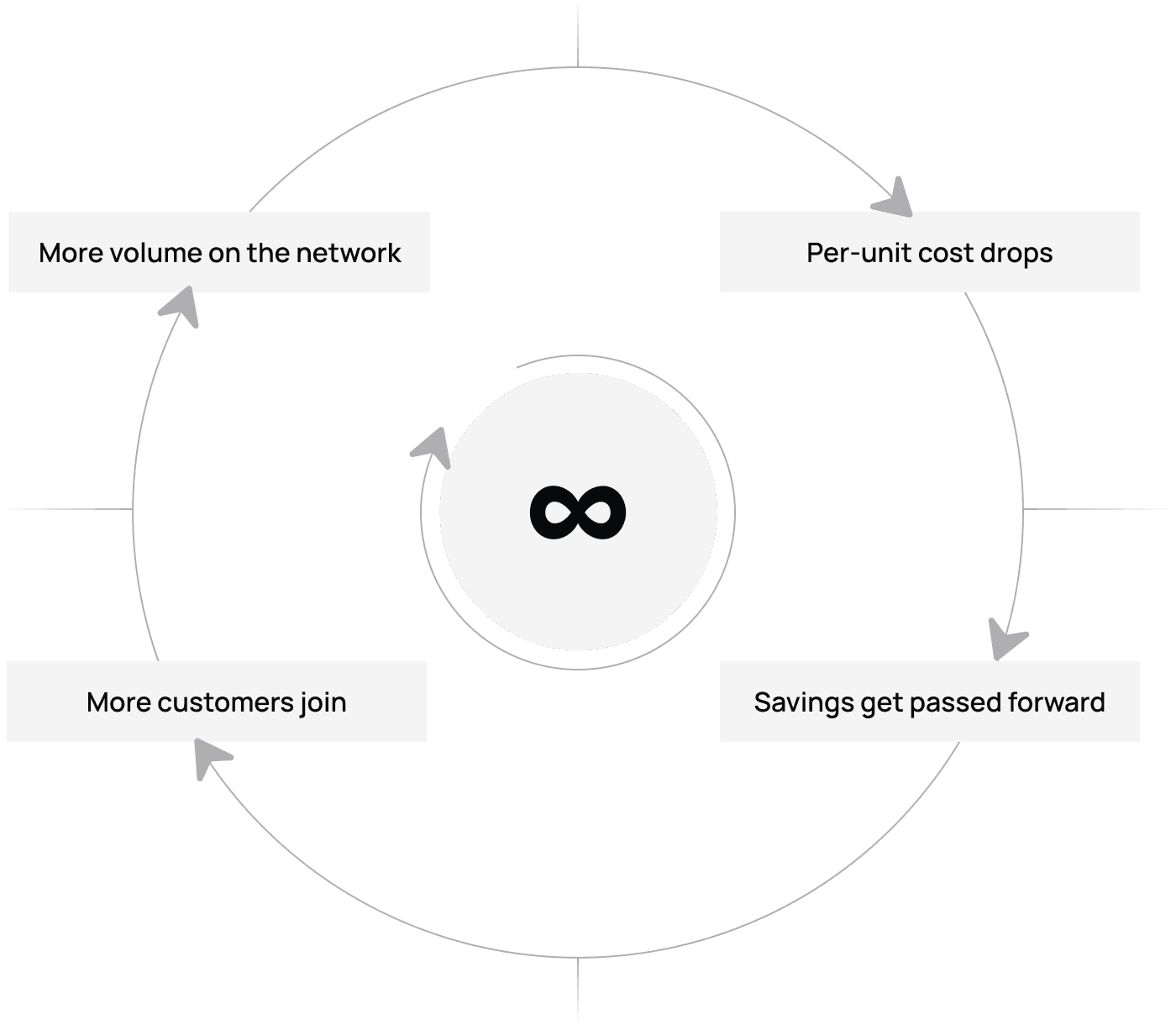
Same $0.13 per 1,000 for every request. Hard pages or easy ones. Render or no-render. Stealth or wide-open. No multipliers, ever.
We operate our own proxy network. You connect directly.
Every customer who joins lowers our per-unit cost. We pass the savings forward — automatically, in the price you already pay.
Every scrape teaches the network. More volume = smarter routing, better anti-bot evasion, higher reliability. The product gets better as we get bigger.
Most infrastructure companies become more expensive as they grow. More customers usually mean higher support costs, more operational overhead, and rising infrastructure expenses.
Residential pricing
Benchmark efficiency
Cheaper on every workload
Network growth
7.5M+ residential IPs
Routing improvements
+18% success rate
Instead of adding pricing layers as usage grows, the system compounds in the opposite direction.
The incentives stay aligned with the customer.
Benchmarks, methodology, and infrastructure claims are designed to be independently verifiable
Learn more about Geonode
See how the infrastructure works
See exactly what you'll pay

Flat pricing. Our own proxy network. APIs designed for AI agents.